

The sport – martial arts Muay Thai is extremely popular in Thailand and, along with Sepak Takraw to the national sport.
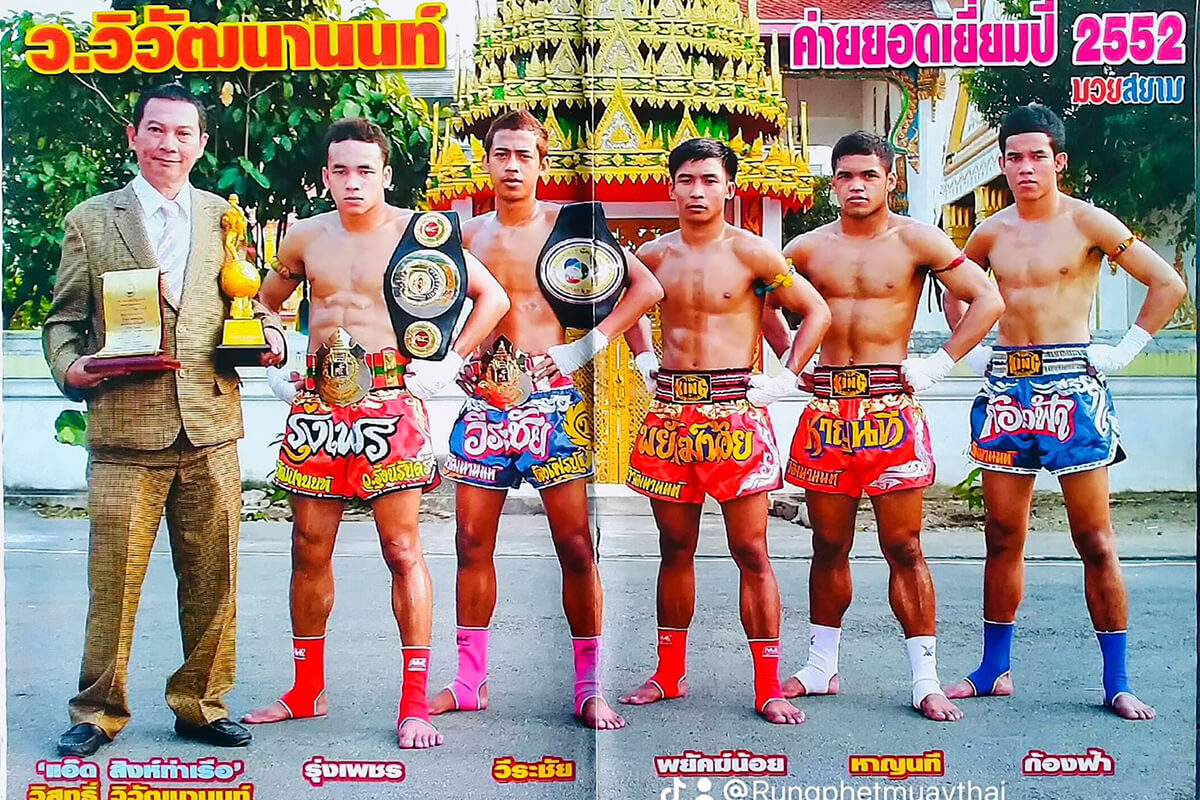
Muay Thai in Thailand is not only defined by big fights, but also by the titles a fighter can win inside the ring. A real title in Thailand means far more than just a belt or trophy. It represents recognition, toughness, consistency, and the ability to prove yourself against strong competition at the highest level. The modern title tradition began at its core with Rajadamnern, which opened in 1945 and helped shape the title culture of Muay Thai from an early stage. Lumpinee followed in 1956 and also became one of the most important centers for elite fighters in Thailand. Later, major TV and stadium titles such as Channel 7 and Omnoi gained importance before modern international formats like ONE Championship and Thai Fight expanded the sport’s reach even further. This article is therefore not an official federation ranking, but an editorial classification based on historical prestige in Thailand, sporting level, public perception, and present-day career value for a fighter. If you understand these titles, you also understand how status, reputation, and progression really work in Thai Muay Thai.
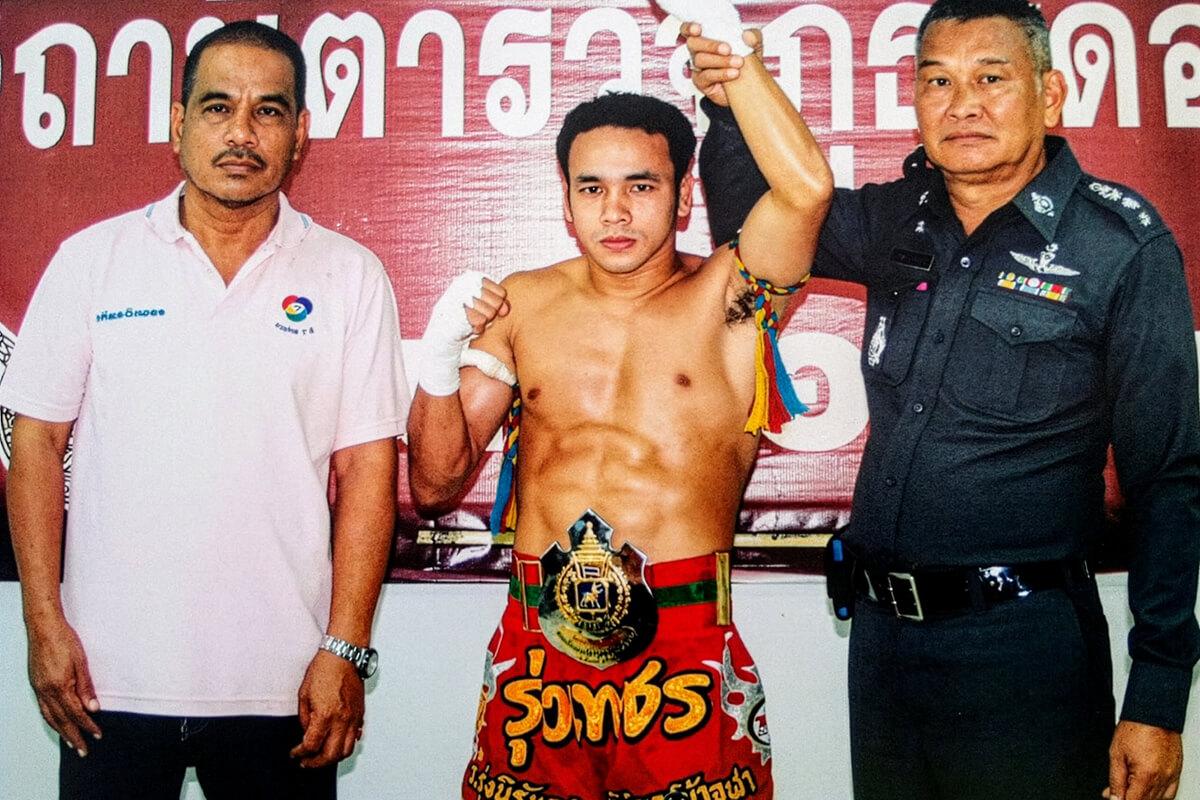
Why these titles matter so much in Thailand
In Thailand, a fighter is not judged only by record, but also by where and against whom he won. A title can influence how much a fighter earns, how seriously his name is taken in the Bangkok system, and what chances he has to reach bigger main events. In the traditional stadiums especially, ranking, level of opposition, and activity are closely connected. Modern promotions like ONE give the sport a worldwide stage, but the old stadium titles still carry enormous weight inside Thailand. That is why this list places classic stadium belts, TV titles, and modern promotion titles side by side. Together, they show how Muay Thai in Thailand has evolved from the old stadium world to the modern global media stage.
The top 9 most important Muay Thai titles in Thailand
1. Lumpinee Stadium title
The Lumpinee Stadium title is still one of the titles that almost every Thai fighter dreams about. Lumpinee Boxing Stadium was founded on December 8, 1956, and has historically been one of the great centers of Muay Thai in Bangkok. Becoming a champion there proves not only quality, but also the ability to survive in one of the toughest traditional stadium environments in the country. The Lumpinee belt is closely linked with generations of elite fighters who built their name there. In many camps, a Lumpinee champion is still seen as a benchmark for real elite-level traditional Muay Thai. Even though the fight scene has modernized, the name Lumpinee remains a symbol of the highest credibility and prestige. Historically, the Lumpinee belt is regularly mentioned in the same breath as Rajadamnern as one of the most desired belts in the country. That is exactly why this title stands near the very top in any serious discussion about the greatest Muay Thai achievements.
2. Rajadamnern Stadium title
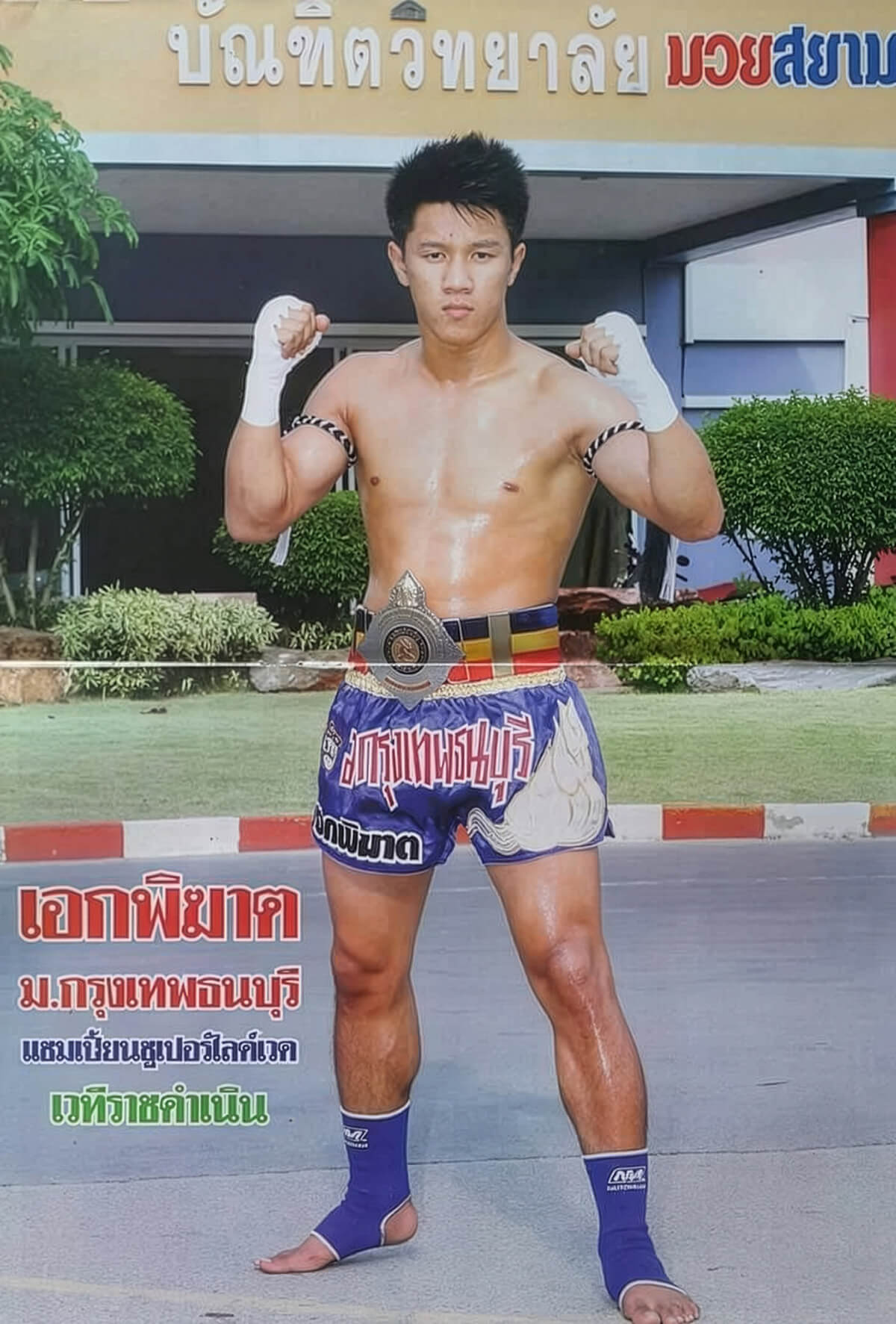
The Rajadamnern Stadium title holds a unique place in the history of Muay Thai. Rajadamnern opened in 1945 and is widely regarded as the oldest modern Muay Thai stadium in the world. Even more importantly, Rajadamnern helped shape the belt and ranking culture of the sport at an early stage, making it a foundation of the modern stadium system. A Rajadamnern title is therefore not only valuable in sporting terms, but also loaded with historical meaning. It connects a fighter with the origin of traditional Muay Thai at the highest level. Because Rajadamnern combines tradition, prestige, and sporting hardness so closely, many purists see this belt as the most refined achievement of all. A Rajadamnern champion carries not just a title, but a part of the sport’s history. That historical depth is what keeps Rajadamnern among the biggest names in Thai Muay Thai to this day.
3. ONE Championship Muay Thai world title
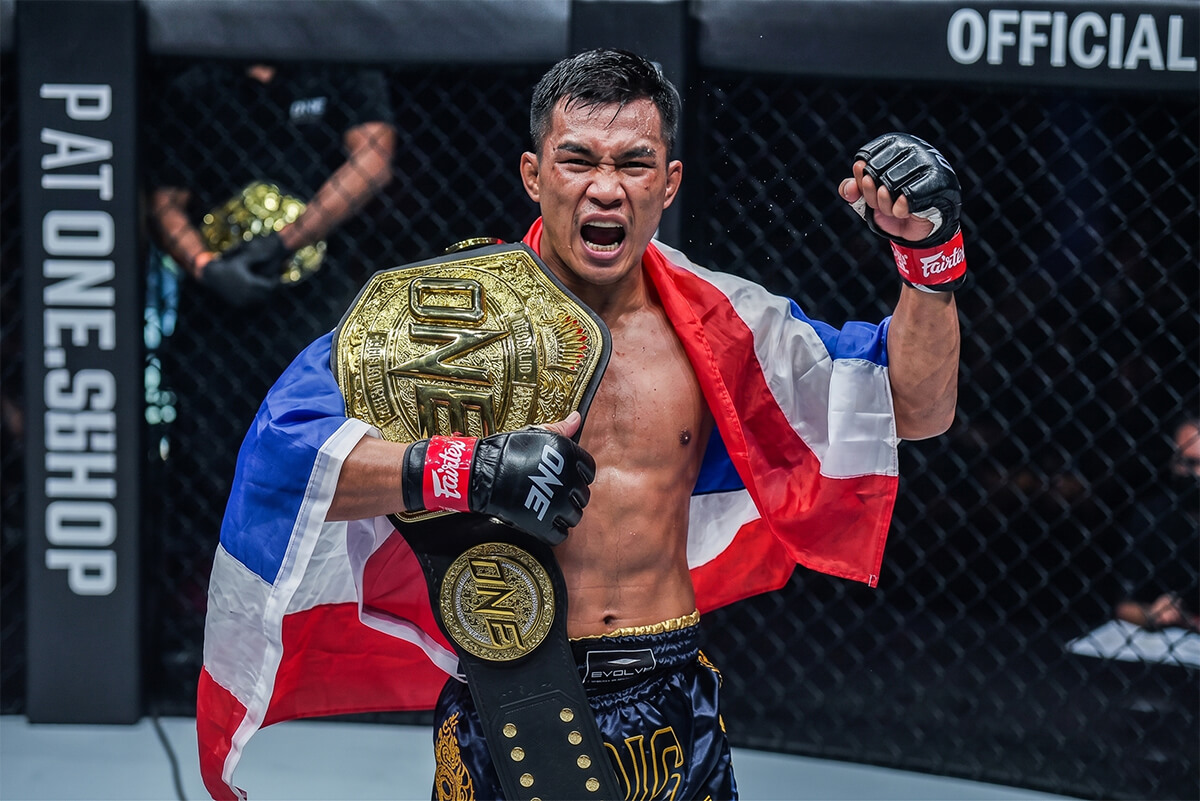
The ONE Championship Muay Thai world title is the most important modern Muay Thai title with global reach. ONE has created official Muay Thai world champions across multiple weight classes and has given the sport an international stage that was difficult to imagine in the past. Title fights are contested over five rounds and attract huge worldwide attention. At the same time, the format clearly differs from traditional stadium Muay Thai because ONE uses 4-ounce gloves. It is exactly this mix of Thai elite skill and international media exposure that makes the title so relevant today. Winning this belt means a fighter is seen as world class not only in Thailand, but across the globe. Many ONE champions had already won stadium titles in Thailand before taking their status even further. The ONE title is more modern than Lumpinee or Rajadamnern, but in today’s era it is still one of the biggest names a Muay Thai fighter can carry.
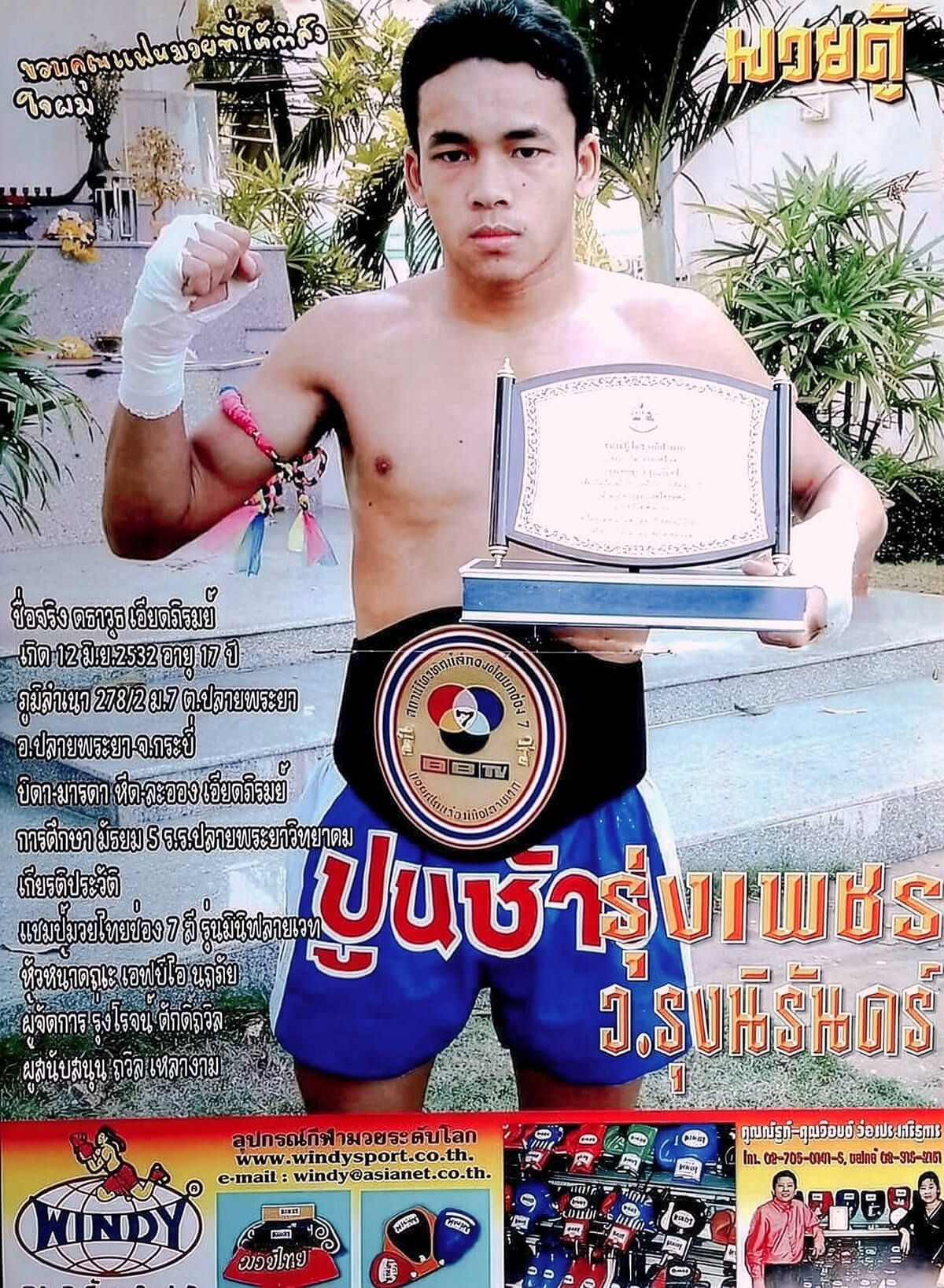
4. Channel 7 Stadium title
The Channel 7 Stadium title is one of the best-known TV titles in the entire country. The Muay Thai 7 Si format has been running for decades and remains a fixed part of the weekend for many Thai fans. Even today, the show is broadcast every Sunday and stays deeply connected to the country’s Muay Thai culture. This long-standing television presence has given the title enormous public visibility. A Channel 7 champion is not only respected in sporting terms, but also easy for the wider public to recognize. In the Thai scene, the TV7 belt has long been seen as a very tough and highly respected belt. Winning there means carrying a title that almost every Muay Thai fan in Thailand knows, even outside the hardcore fight community. That is exactly why Channel 7 has been one of the most important names in the Thai title structure for many years.
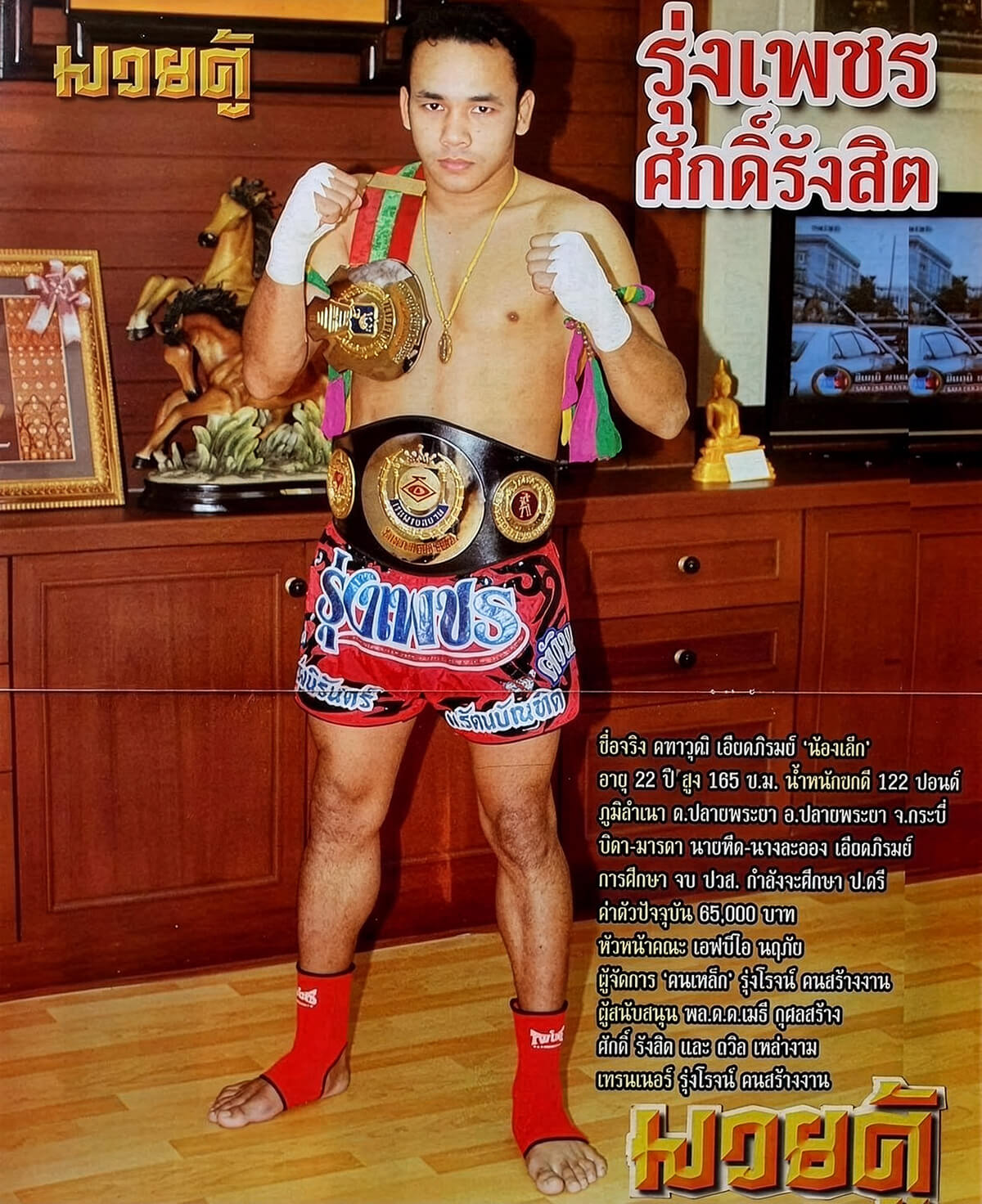
5. Omnoi Stadium title
The Omnoi Stadium title is one of the important classic stadium belts in Thailand. For many years, Omnoi has regularly been mentioned together with Lumpinee, Rajadamnern, and TV7 as one of the country’s key stadium titles. It is often described as a very real, purist, and physically demanding title within traditional five-round Muay Thai. The belt may be less internationally famous than Lumpinee or ONE, but inside Thailand it is taken very seriously. Many strong fighters won Omnoi titles before moving on to even bigger stages later in their career. That is why the Omnoi belt is often seen as proof that a fighter can truly survive in the real stadium system. Anyone who becomes Omnoi champion clearly belongs among the serious top-level fighters in the Thai scene. Even without the biggest international spotlight, this title remains a meaningful and respected achievement inside Thailand.
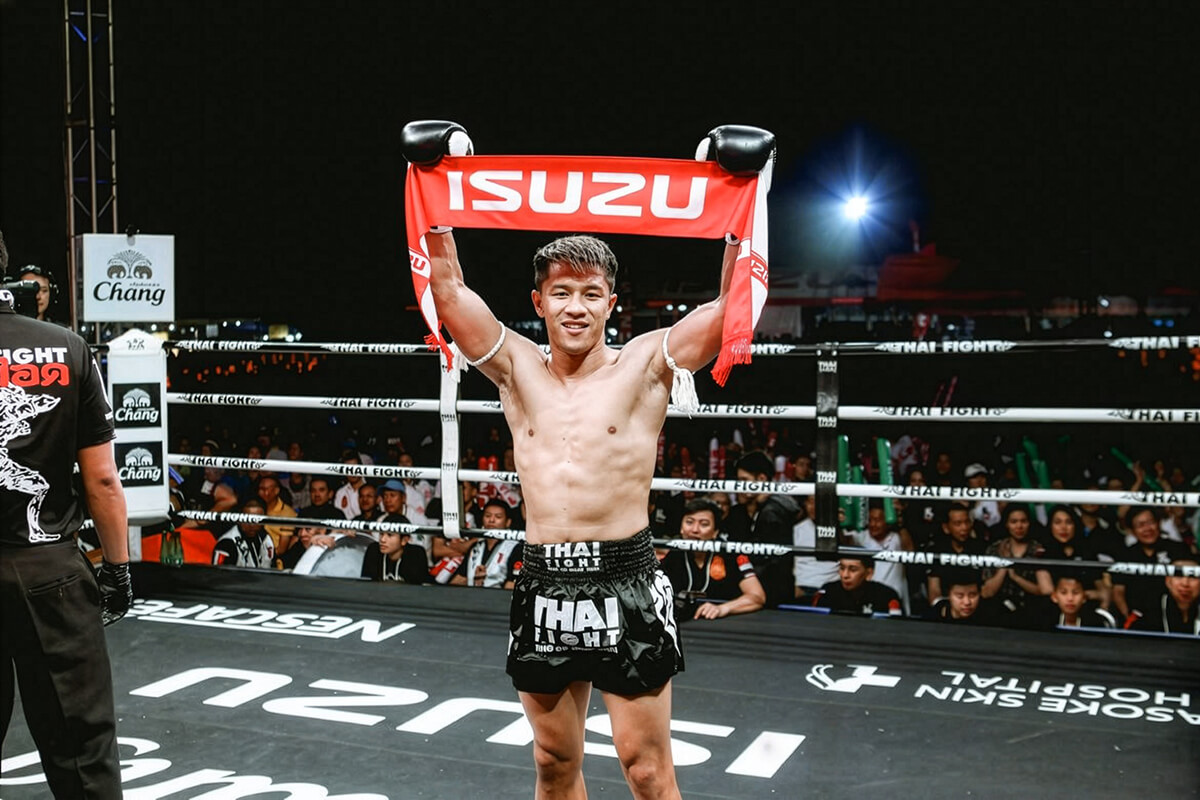
6. Thai Fight King Cup champion
The Thai Fight King Cup champion represents prestige in a format that has taken Muay Thai far beyond the traditional stadium audience. Thai Fight has managed to bring the sport to a very wide public while presenting it as a major event product. The King Cup is one of the most important awards within that system. The sporting style of Thai Fight is more focused on show, reach, and international promotion than the traditional Bangkok stadium scene. That gives the King Cup a different kind of value, but still a very strong one. For many fighters, winning the King Cup means national attention, international visibility, and a clear boost to their name. Historically, this title is younger than the great stadium belts, but as a modern trophy with strong brand value it has secured its place in the title landscape of Thai Muay Thai. Winning this title can benefit a fighter not only in sport, but also in public recognition.
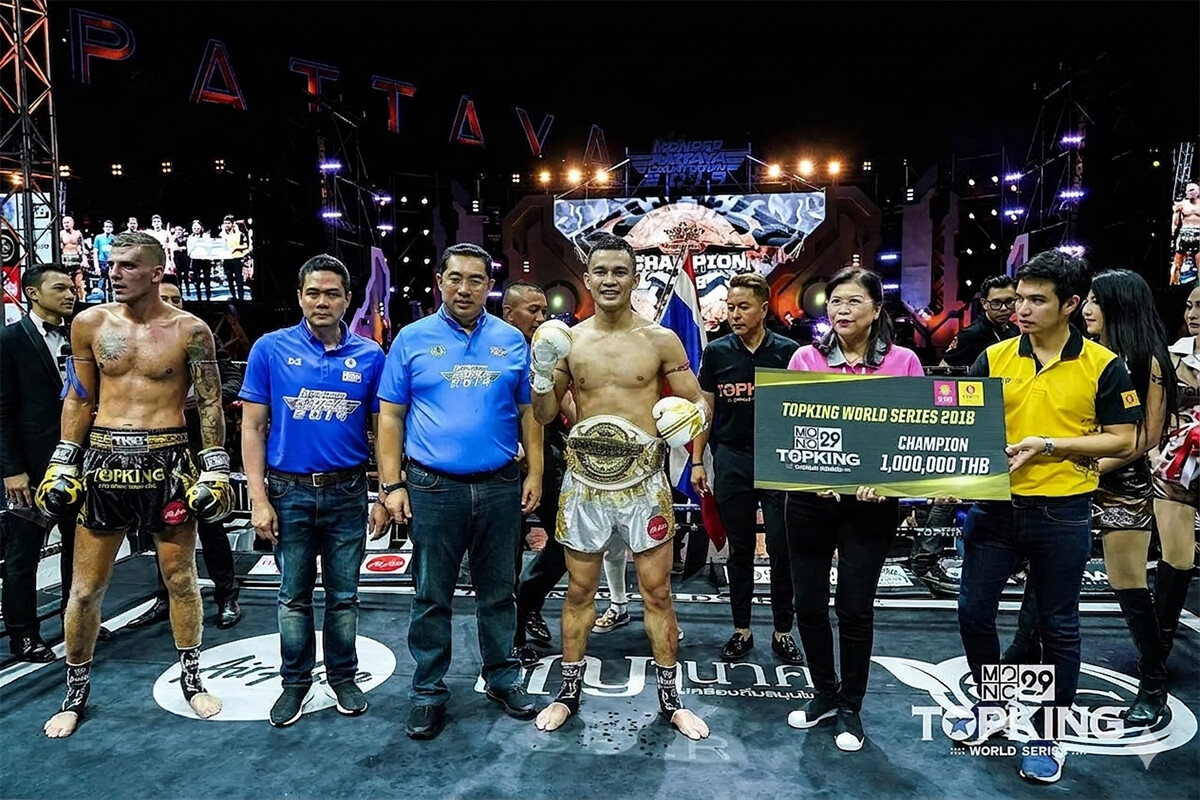
7. Top King World Series champion
The Top King World Series champion is a modern title with a strong tournament and event identity. The Top King brand has been associated for years with international events, strong tournament fields, and well-known names from Muay Thai and kickboxing. Historical documentation is much thinner today than it is for Rajadamnern, Lumpinee, or ONE, but the title still appears regularly in fight media connected to high-level Thai fighters. That shows the title has been seen in practice as a serious achievement. Its prestige comes less from decades of stadium tradition and more from strong tournament brackets, international platforms, and attractive opponent quality. For fighters, the value of this title is especially high when they want to build recognition outside the traditional stadium structure. In this list, Top King stands below the great old stadium and TV titles, but it still remains a relevant modern trophy in the wider Muay Thai elite scene. Especially in international contexts, the name continues to carry recognition and respect.
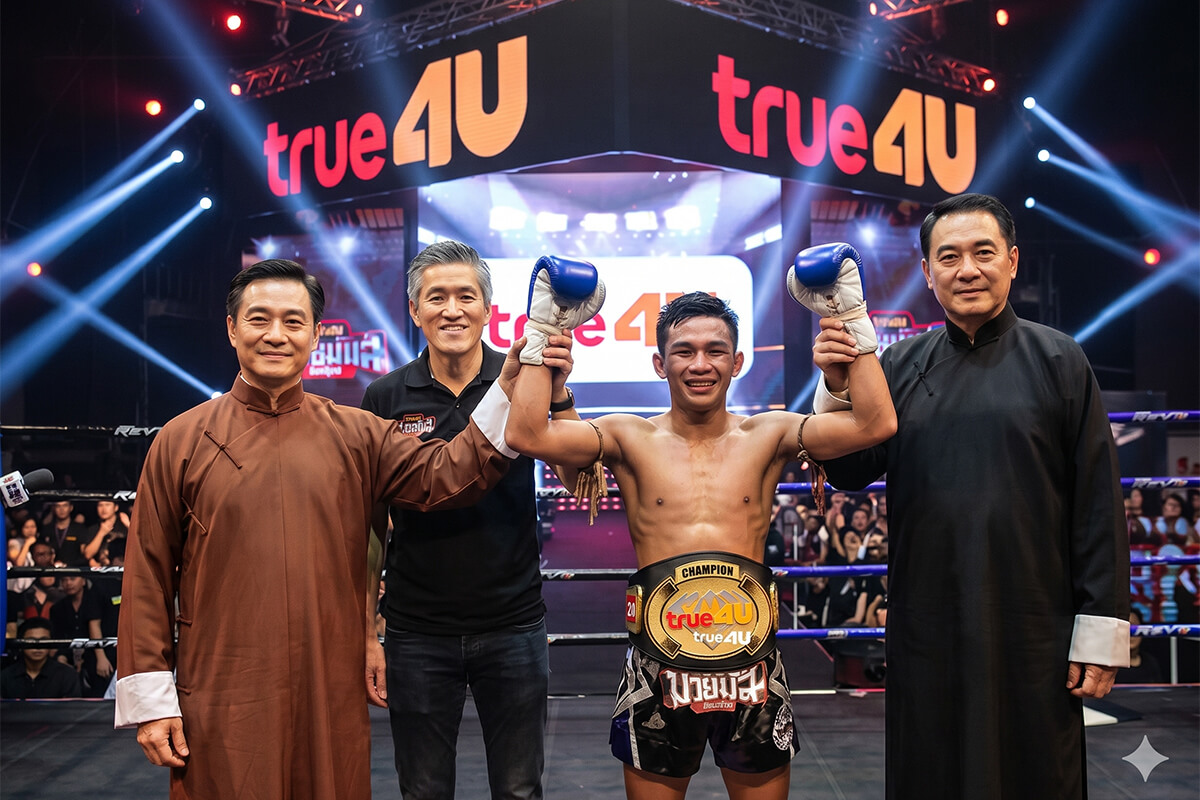
8. Rangsit / True4U title
The Rangsit or True4U title is one of the more important modern TV titles in the Bangkok circuit. In recent years, Rangsit has established itself as a relevant platform for highly skilled and ambitious fighters. The True4U belt appears again and again in connection with quality matchups and rising names. The title may not have the historical shine of Lumpinee or Rajadamnern, but for many young fighters it represents a very important next step. Especially in the lighter and more technical divisions, True4U has often been a strong showcase for future top names. For matchmakers, trainers, and gyms, a True4U champion is often seen as a clear sign of quality. Winning there shows that a fighter can perform in a strong and visible environment. That is why the Rangsit or True4U title belongs in any realistic top-10 list of the most important Muay Thai titles in Thailand.
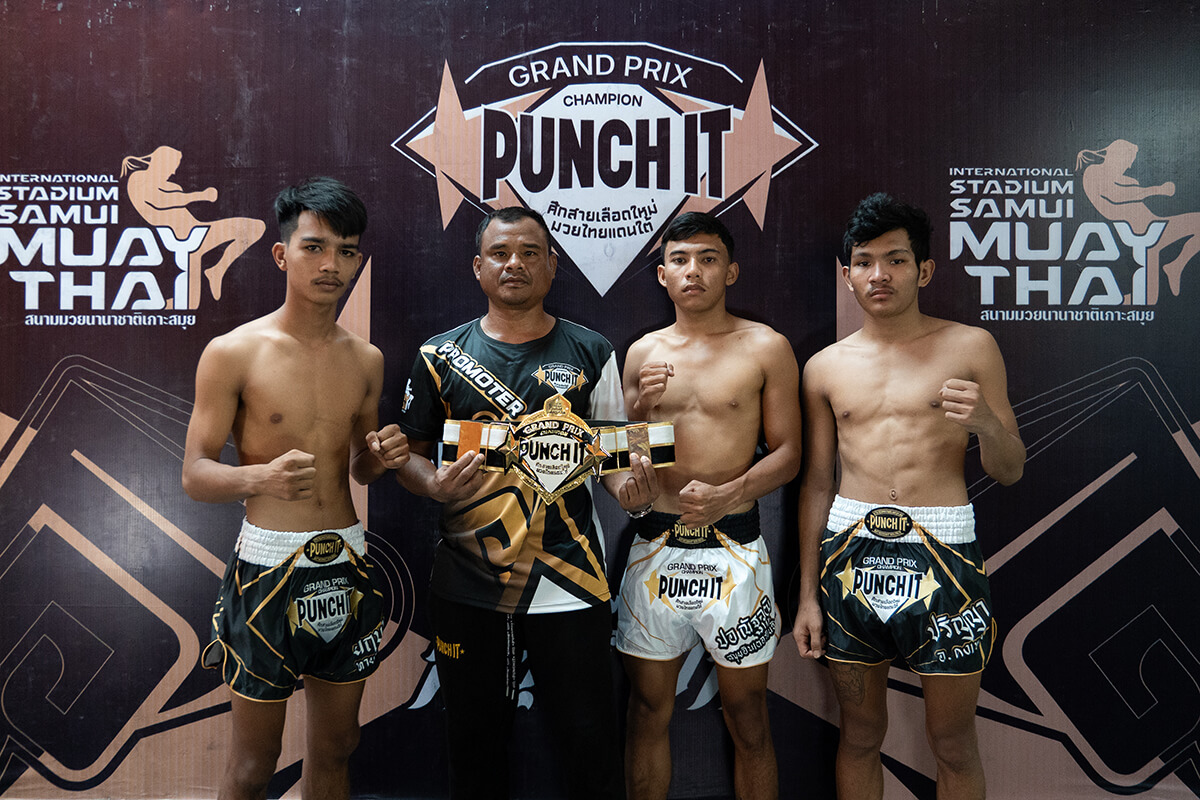
9. Punch it Grand Prix South Thailand Champion
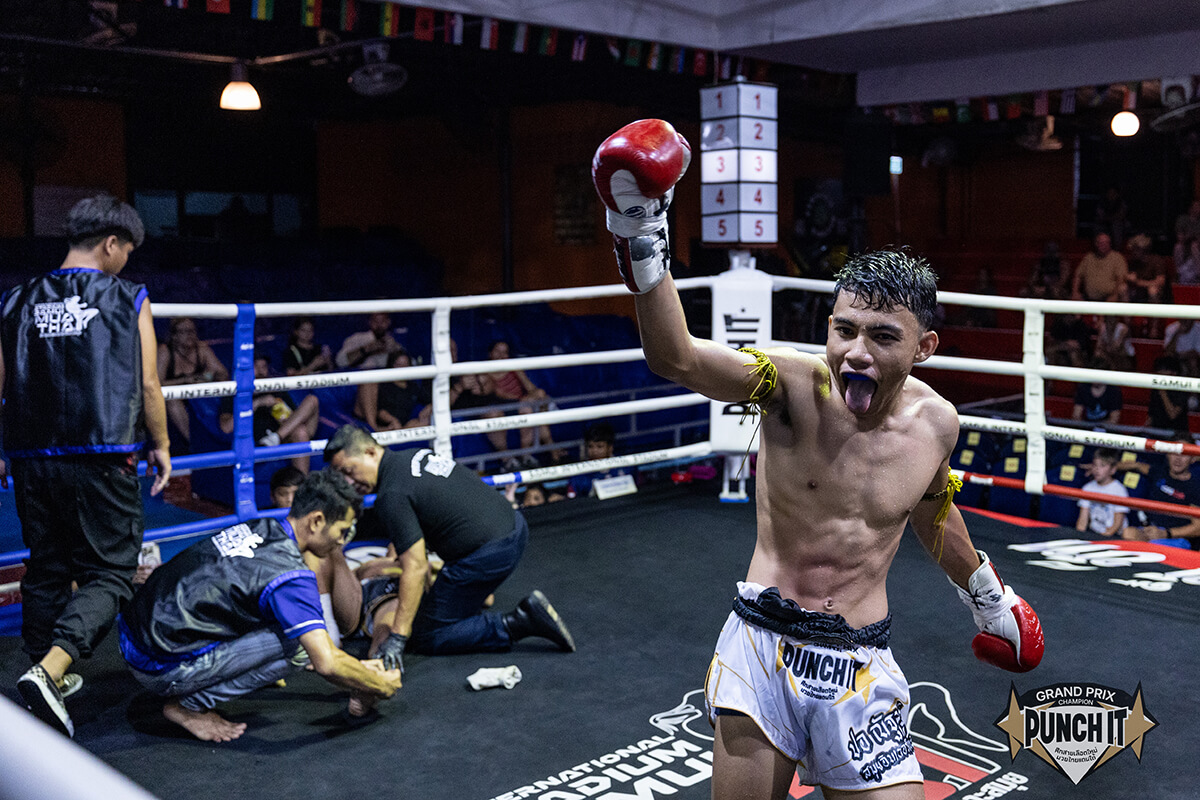
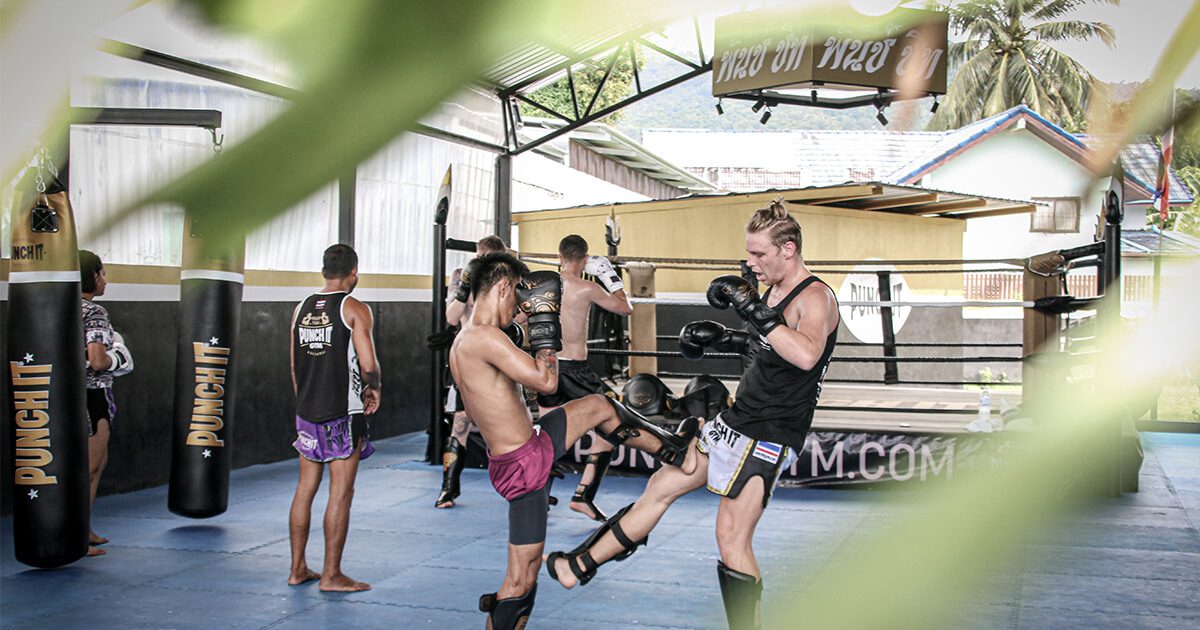
The South Thailand Punch it Newcomer Champion is a young title, but one with a very clear sporting idea and a strong social function. The tournament was created to give young fighters from South Thailand a real platform when they do not yet have professional backing from a commercial or sponsored gym. A total of sixteen fighters enter the tournament, and every Sunday one elimination fight takes place where only the winner advances. This creates a five-month format that demands pressure handling, consistency, and real tournament toughness. Only fighters aged 17 to 19 are eligible, and they must have completed school, come from South Thailand, and remain fully available until the final. The champion receives not only an official belt to keep and prize money, but also a six-month professional fighter contract at Punch it Gym in Lamai. This contract includes accommodation, monthly support, guaranteed fights, and additional earning opportunities, giving the total package a value of well over 100,000 baht according to the tournament details. That is why this title may not yet be historically comparable with the great Bangkok belts, but it has the potential to become a true launching point for young talent from South Thailand.
What these titles say about a fighter
A major Muay Thai title in Thailand always means more than just a single win on one night. It shows that a fighter was able to beat strong opponents, rise through rankings, and perform under pressure. With the old stadium belts, the historical weight of the venue itself also matters. With ONE, Thai Fight, or Top King, the title may additionally create media value and international visibility. For trainers, promoters, and fans, this builds a clear picture of the level at which a fighter truly belongs. That is why titles in Muay Thai are not just nice objects for photos, but real currencies of reputation, career value, and legacy.
Conclusion
Anyone speaking about the biggest Muay Thai titles in Thailand cannot avoid Lumpinee and Rajadamnern. These two names form the historical heart of the sport and still define the standard for classic stadium prestige. At the same time, titles like Channel 7, Omnoi, and True4U show how important the Thai TV and stadium system has remained for a fighter’s rise. Modern achievements such as the ONE Championship Muay Thai world title, the Thai Fight King Cup, and the Thai Fight League add a new level of global reach. Top King represents a more modern international tournament world, while the Punch it Grand Prix shows how new titles can also create real sporting and social value when the concept is clear and credible. In the end, the most important point is that each of these titles rewards something slightly different, but all of them share the same core. They prove that a fighter has done more than just show talent, he has proven himself under real conditions. That is exactly why major titles in Muay Thai remain one of the strongest symbols of class, respect, and lasting significance in Thailand.
You might also like

How do you best fill a punch bag? In this blog You find out how we are doing it. By doing yourself, You can save money.
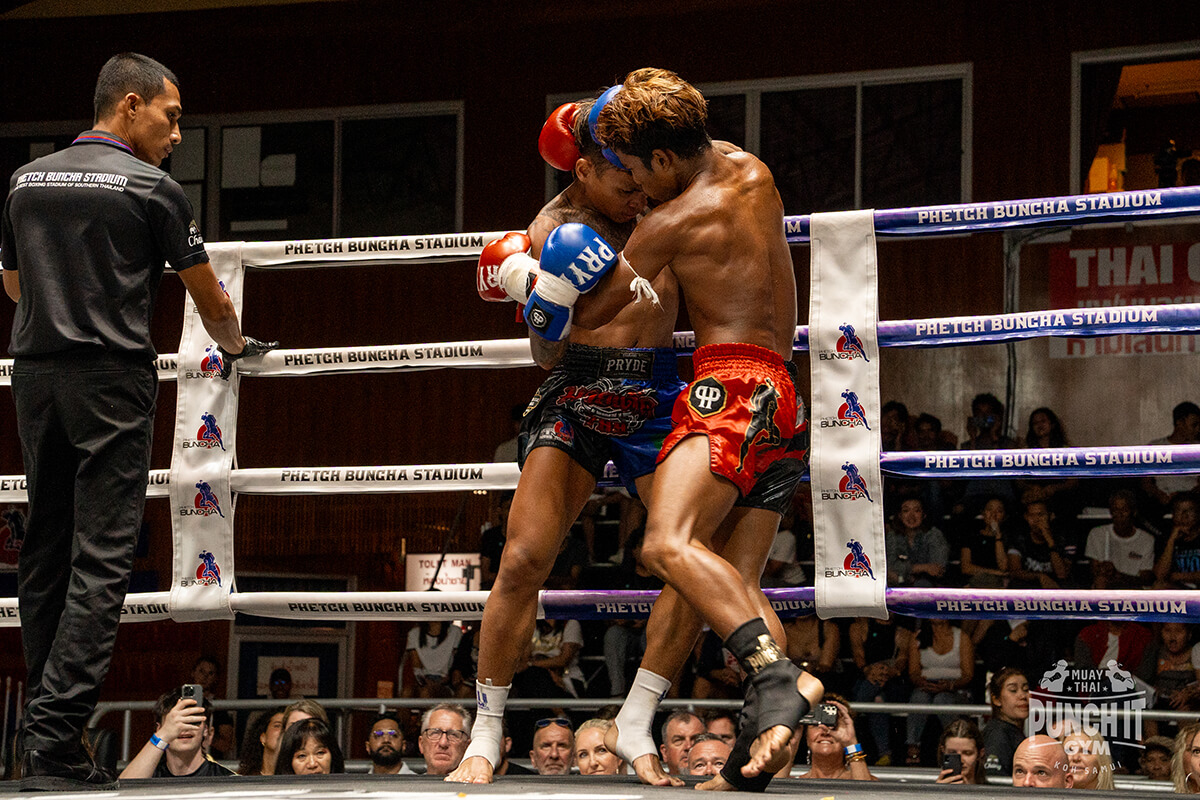
Muay Thai clinching is not a pause. It is not a moment to rest. It is where the…
For many it is a big hurdle to start with martial arts and to attend a martial arts school. But we can reassure you, in martial arts schools you will not only find fighters.